
︎︎︎
The Rashomon Effect
as a way of thinking about how generative AI alters, distorts, and recasts the factual.
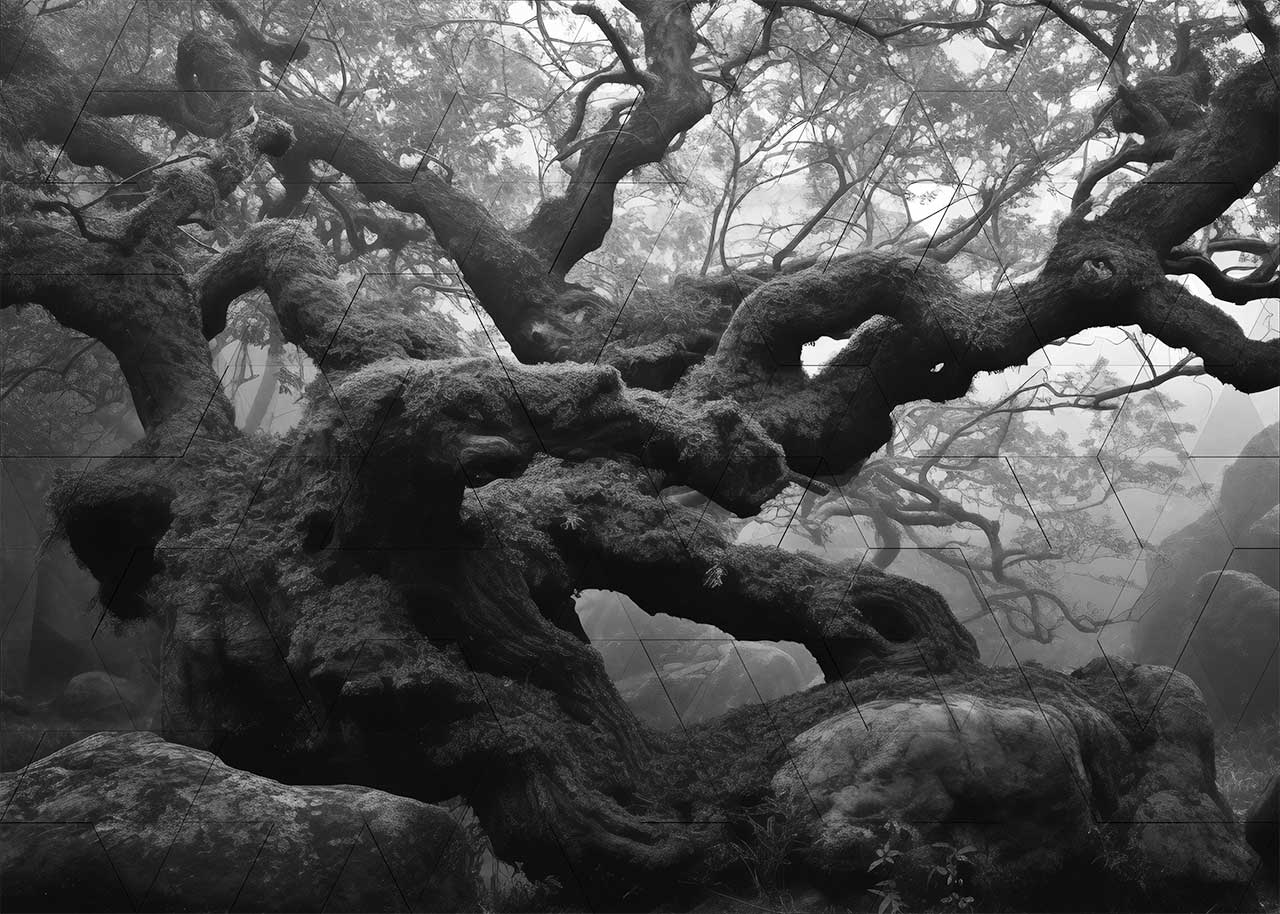
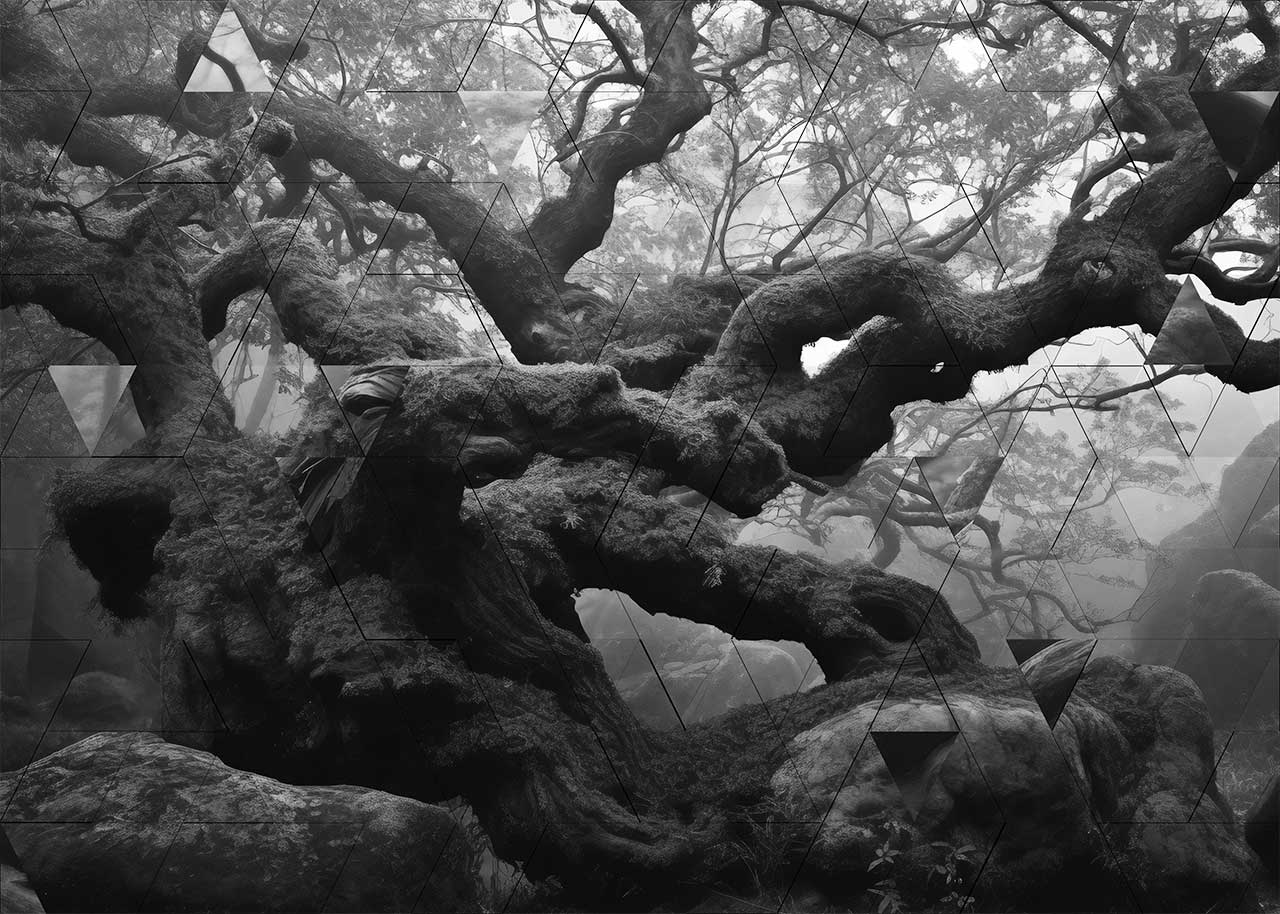
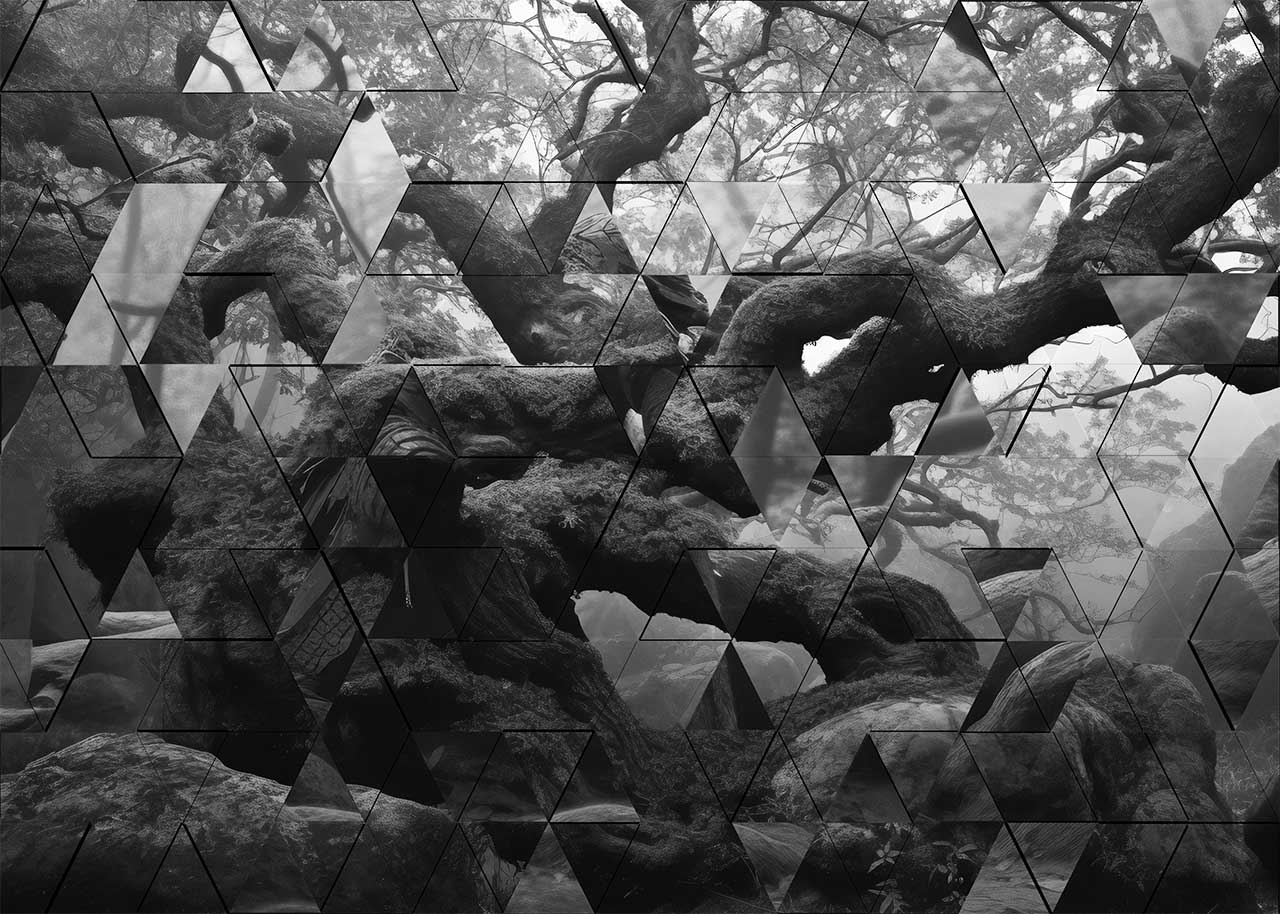
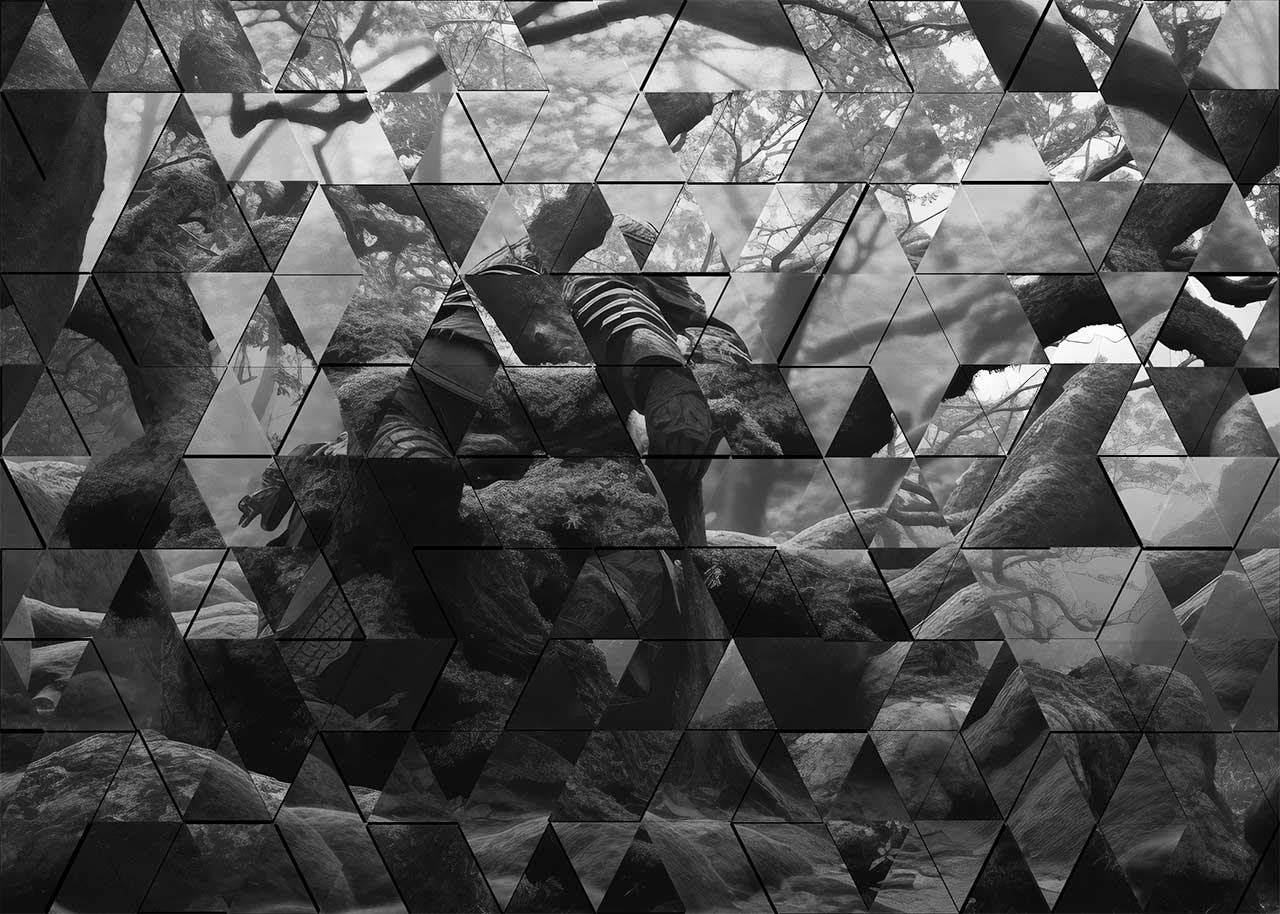
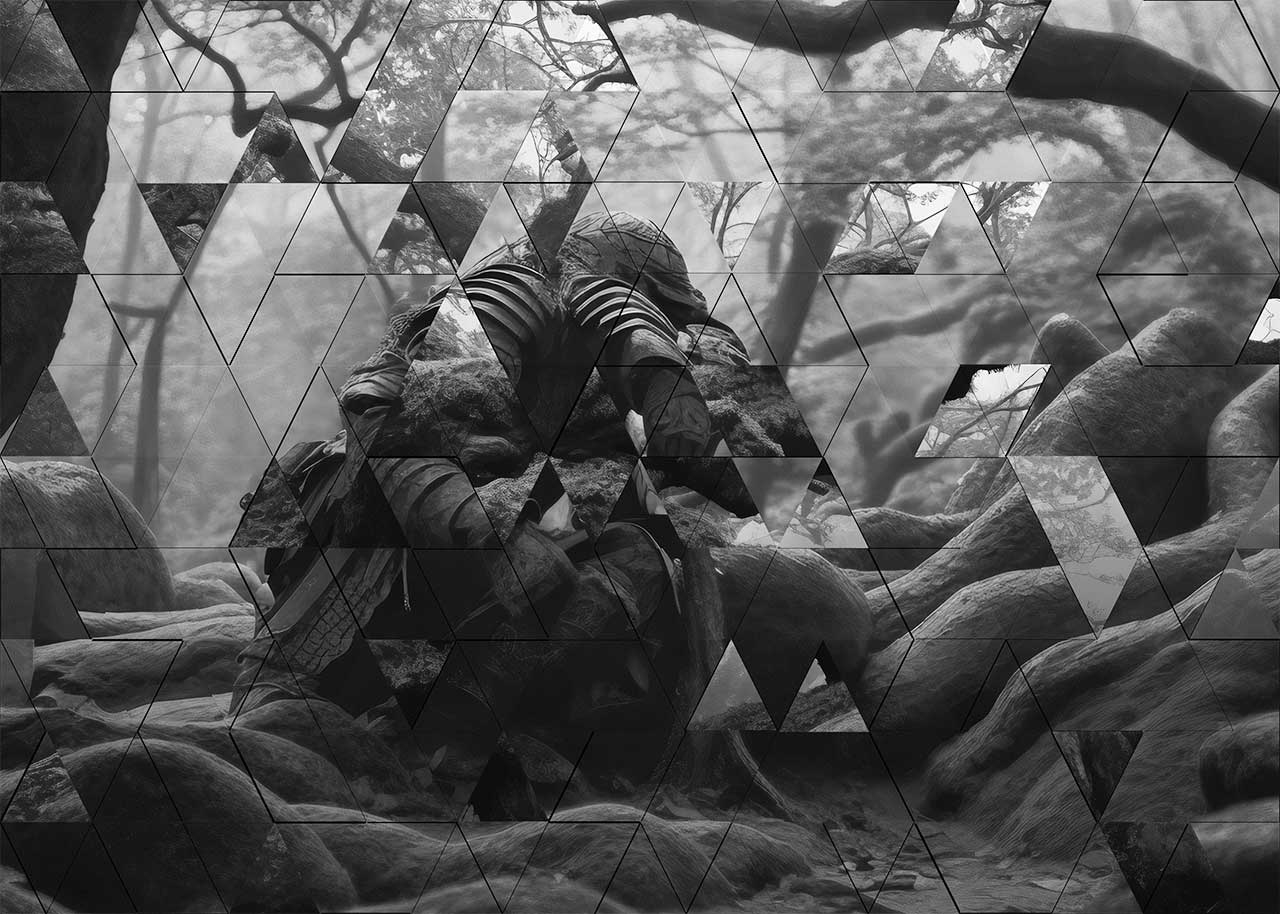
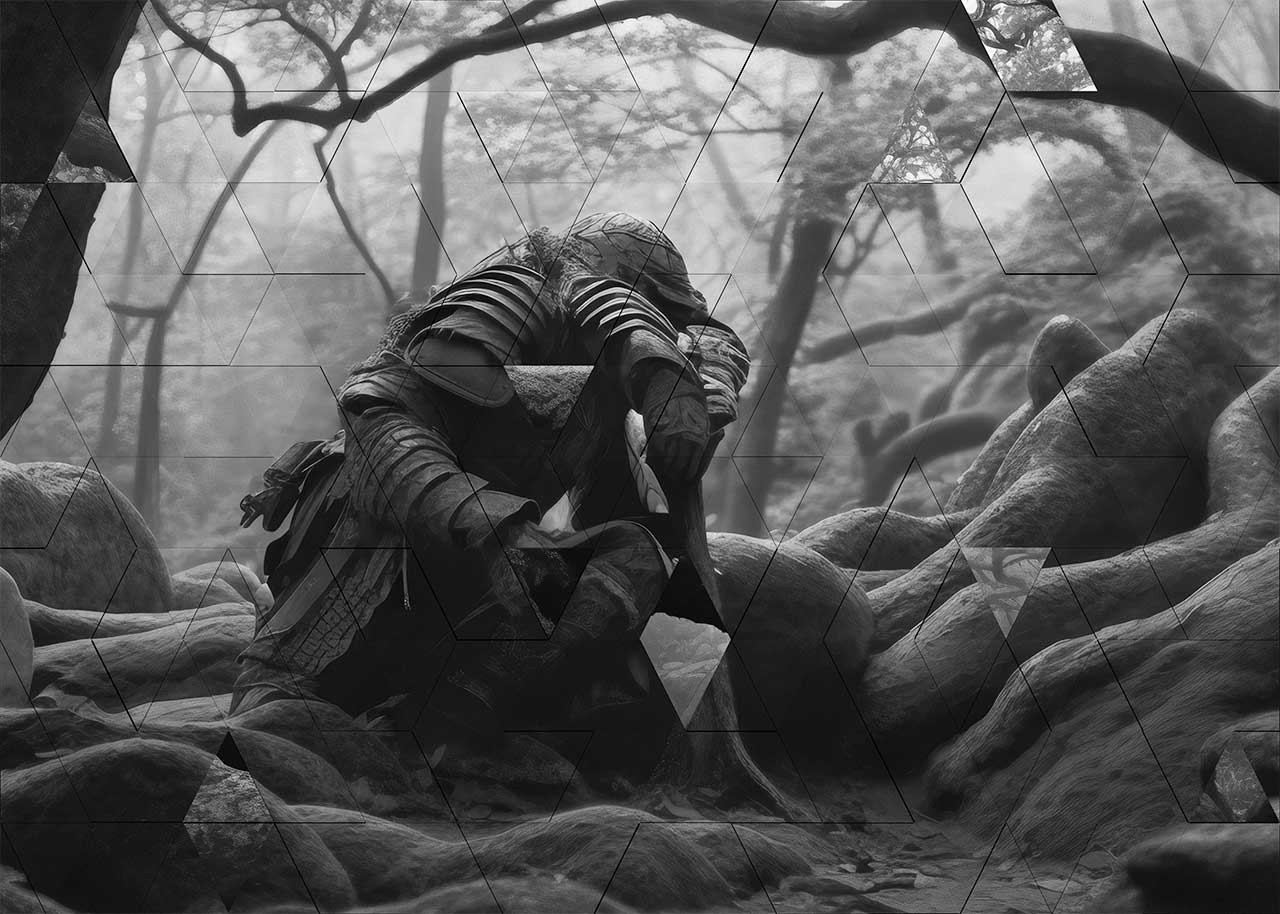
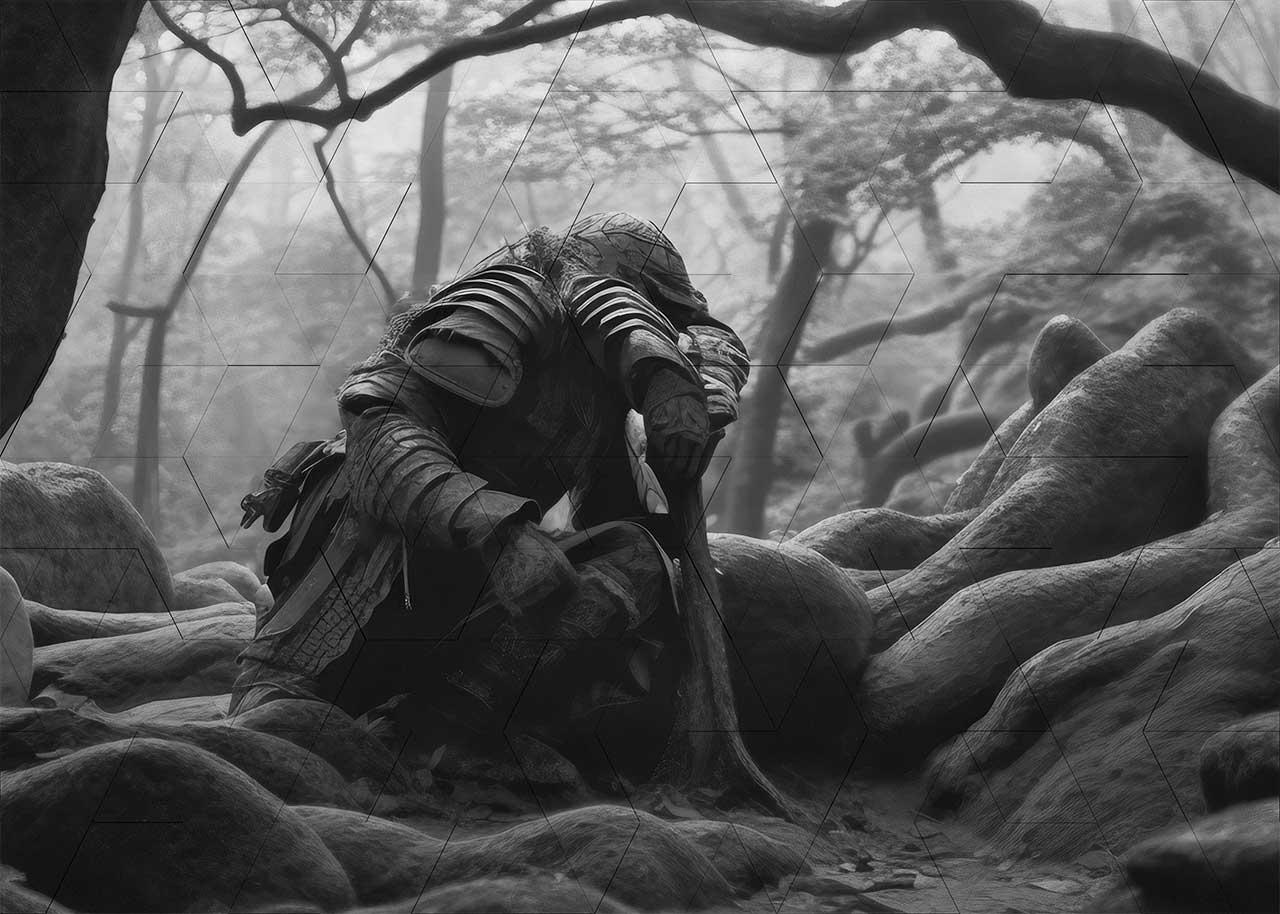
There have been numerous cautionary tales about artificial intelligence presented as a series of effects, including the AI effect, the Eliza effect, and the Clever Hans effect. In the context of generative AI, I‘ve become interested in another effect – the Rashomon effect, popularised through Akira Kurosawa’s film Rashomon. Kurosawa’s film is partly set in a crumbling and derelict city gate symbolising the dissolution of truth in medieval Japan; it describes a series of contradictory events that took place in a forest rendered as a mythical space where mysterious and perhaps unknowable things have taken place.
︎︎︎
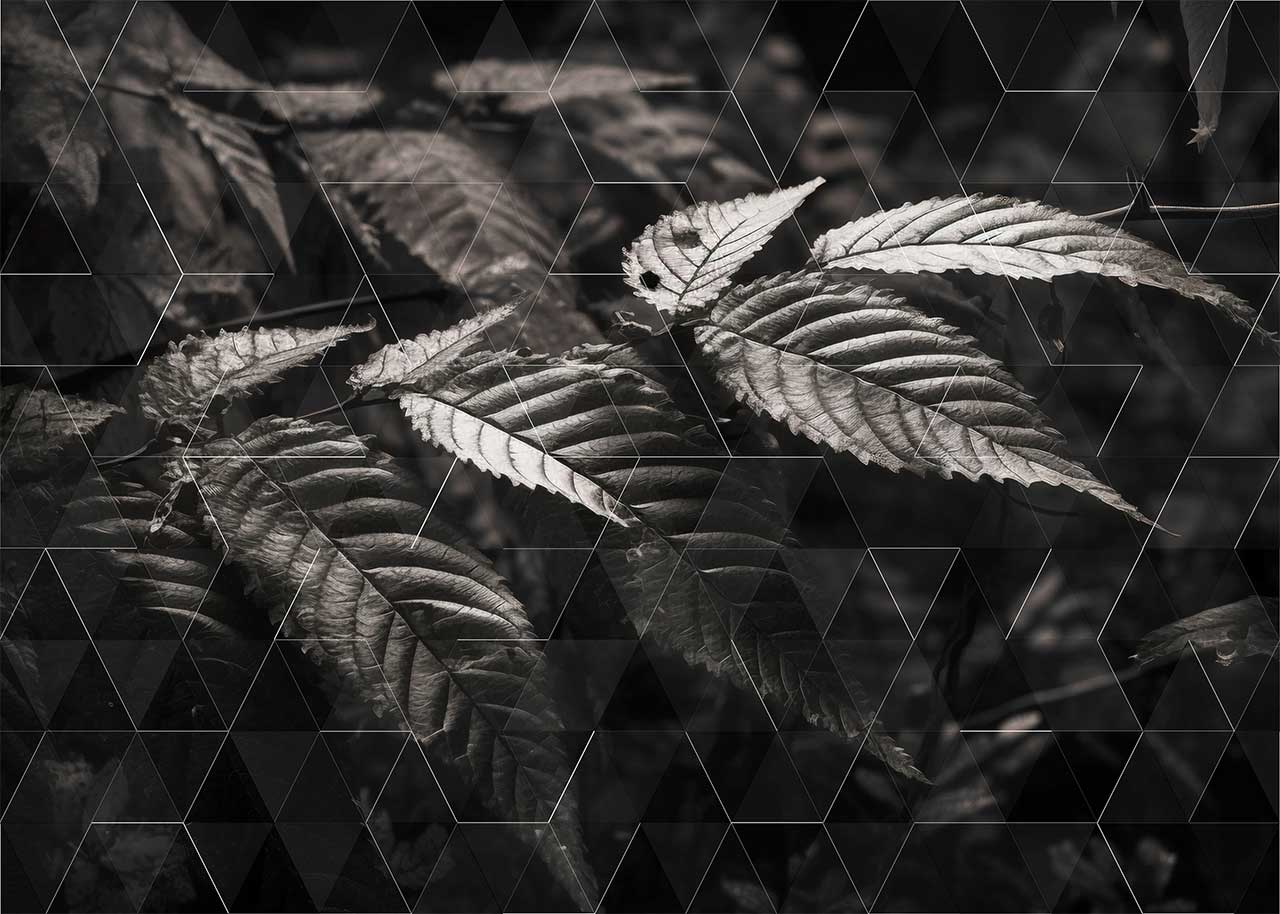
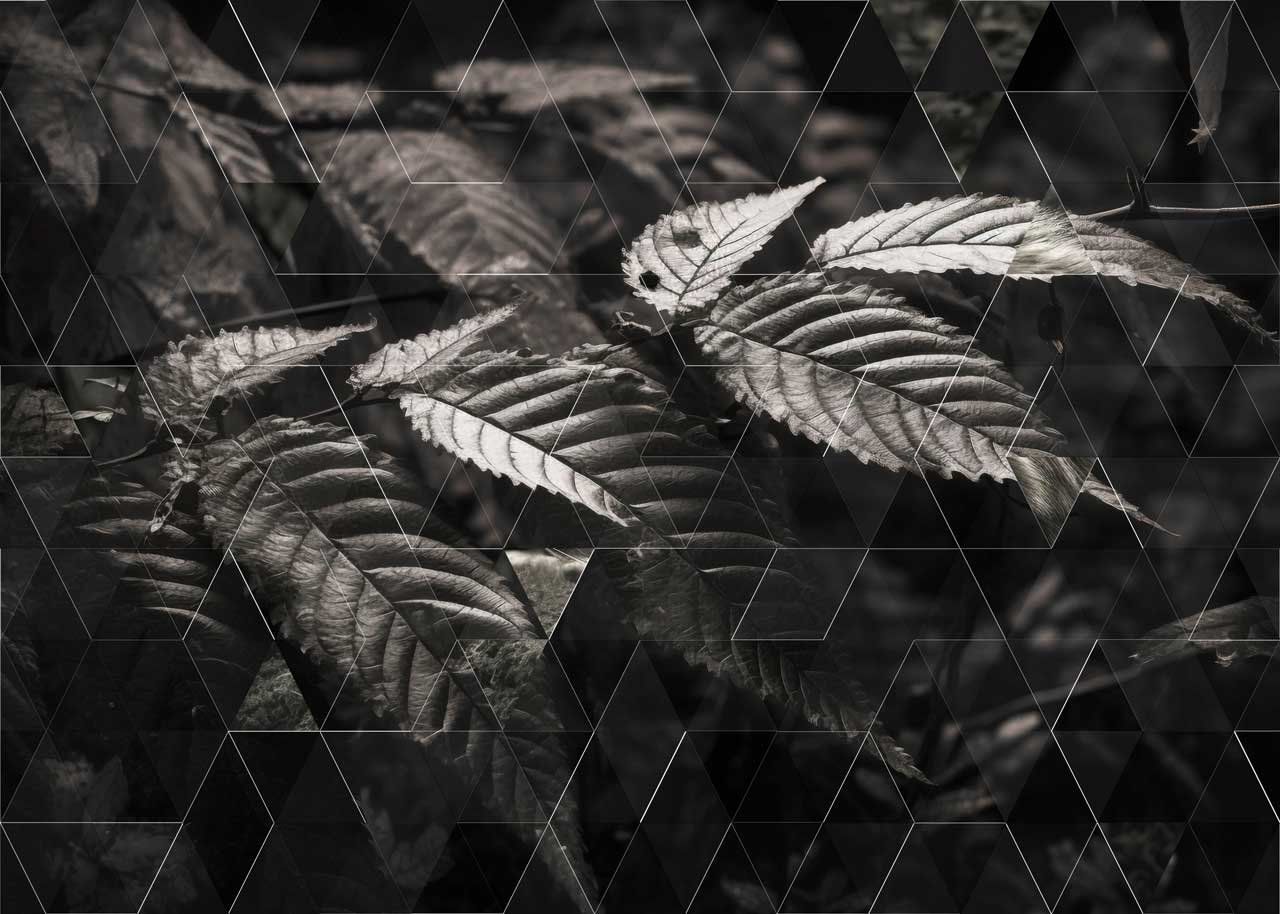
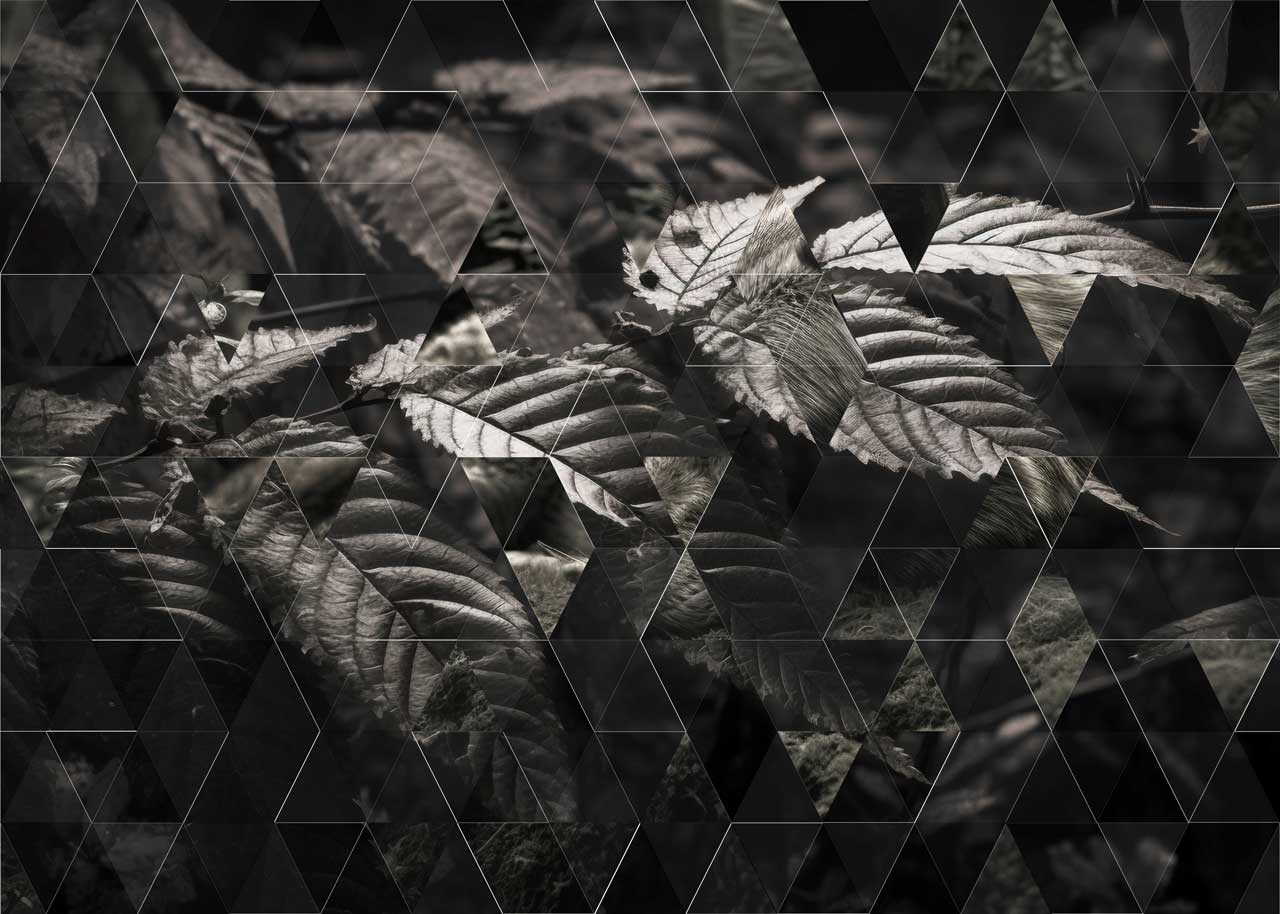
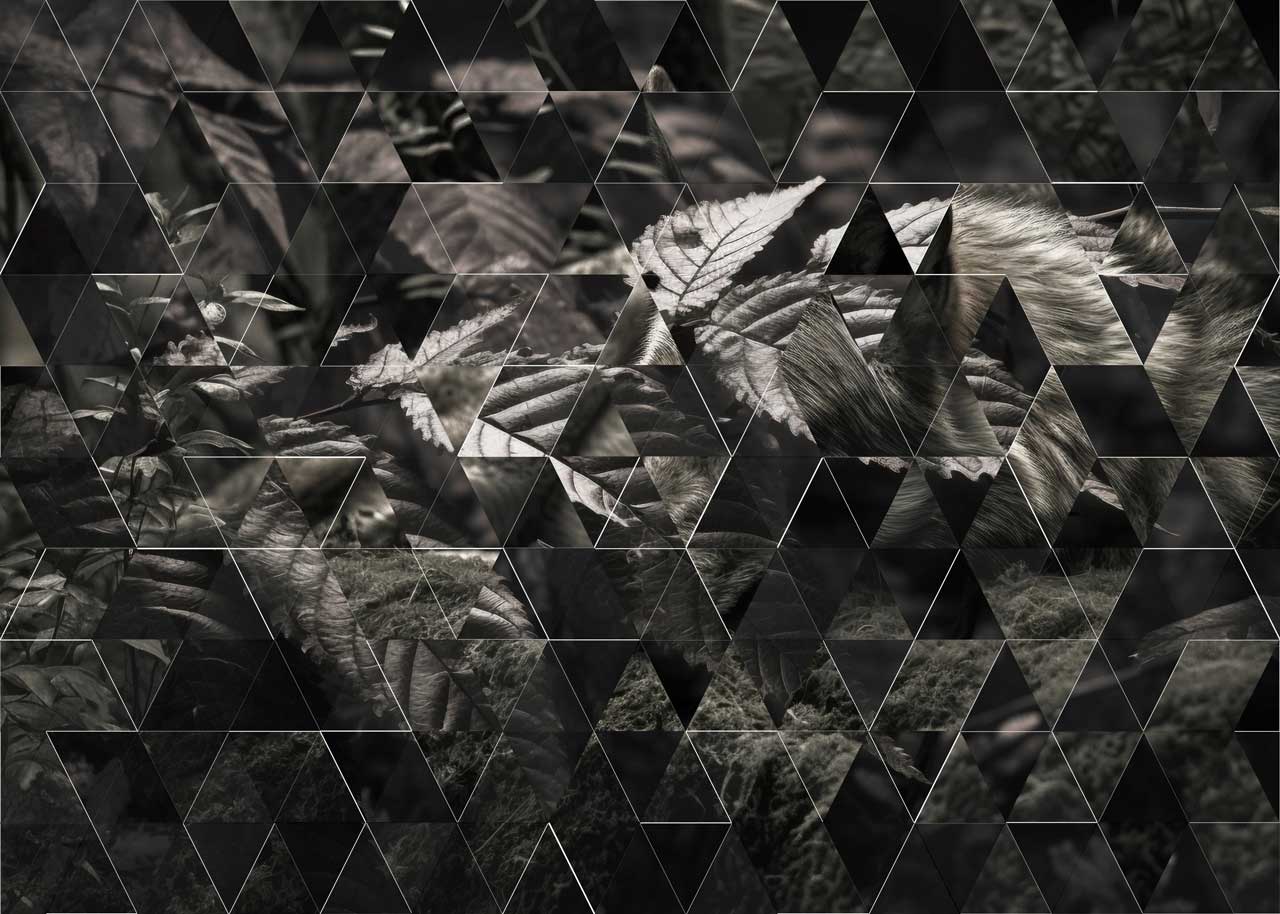
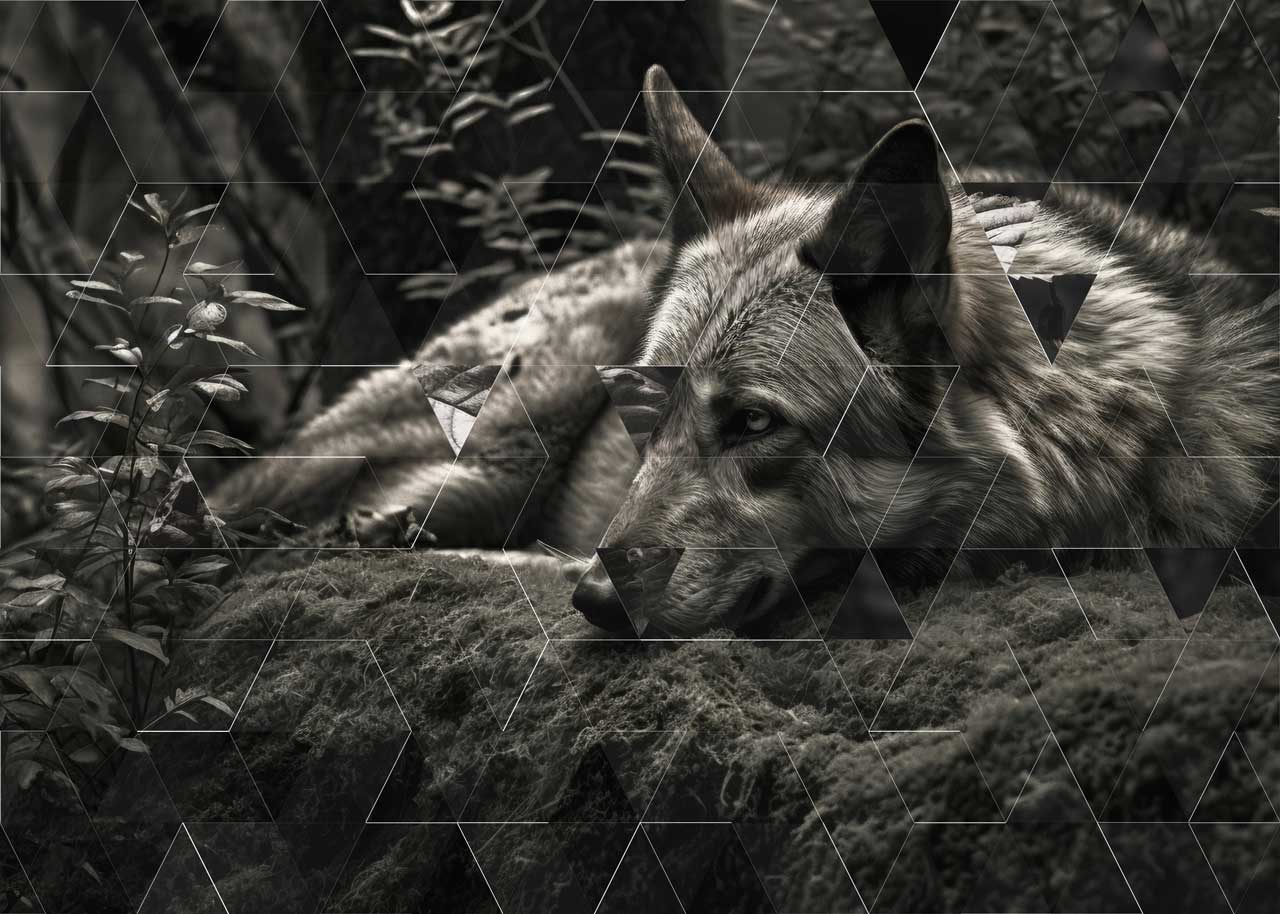
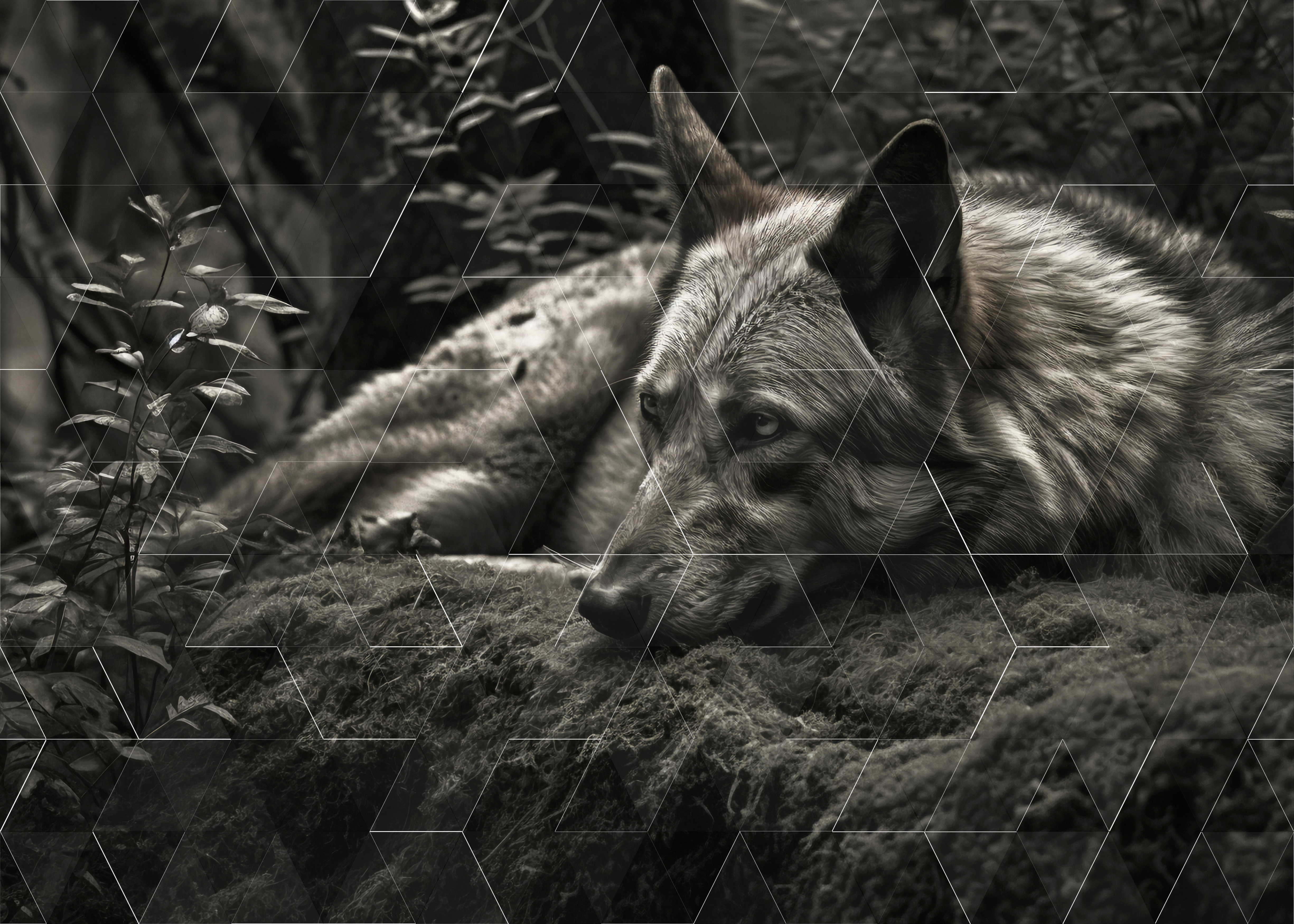
Common usage of the Rashomon effect describes the phenomenon of the unreliability of eyewitnesses. In academic contexts the effect defines a framework for thinking, knowing, and remembering, which is necessary for understanding situations that are complex and ambiguous. References to the Rashomon effect have become pervasive, entering the lexica of filmmaking, journalism, ethnography, and the judiciary, and are understood as providing an explanatory paradigm for complexity. Thinking about generative AI as a movement through data – from word to abstraction into image – the text-prompt interface of text2image can be conceptualised as a contemporary form of instruction art, where language is prioritised in the making of things. My aim is to create algorithmically manipulated versions of the same image data to express how generative AI alters, distorts, and recasts the factual.
![]()

All images have been generated with text2image software using character testimony from Akira Kurosawa’s Rashomon as a source for the prompt text.